
Do You Know Your Rights as a Self-Funder?
If you pay for your own care, you might think you’re on your own when it comes to getting support. But self-funders still have rights under the Care Act.
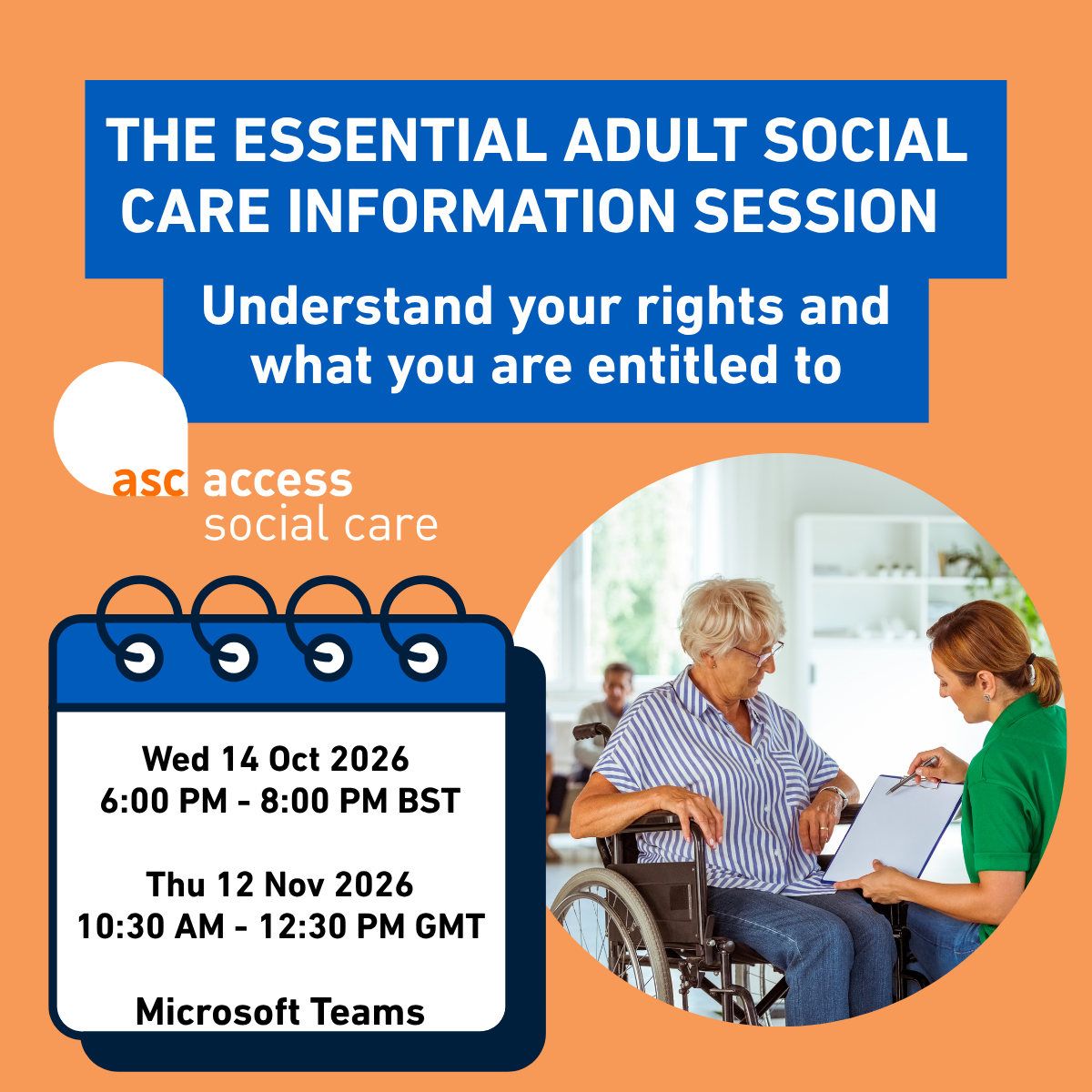
The essential adult social care information session: understand your rights and what you are entitled to
Join us for a practical information session designed to give you the essential knowledge you need to better understand and navigate the adult social care system.
This session is intended for individuals who draw on social care services, or who support a friend or family member who does. It is not suitable for professionals working in the sector.
Getting the Right Support for Your Wheelchair
Whether it’s delays in repairs, trouble getting replacement parts, or issues arranging maintenance, these problems can make everyday life harder than it needs to be.

The AccessAva Newsletter
As AccessAva continues to grow, we want to use this space to share the latest news, product updates, customer stories and insights from across our work. Most importantly, we'll show how we're helping people understand their legal rights and access the support they need.
Who's Responsible for Repairing Your Disability Equipment?
Did you know? If your local authority provides you with equipment to support your independence, they’re also responsible for repairs and maintenance.
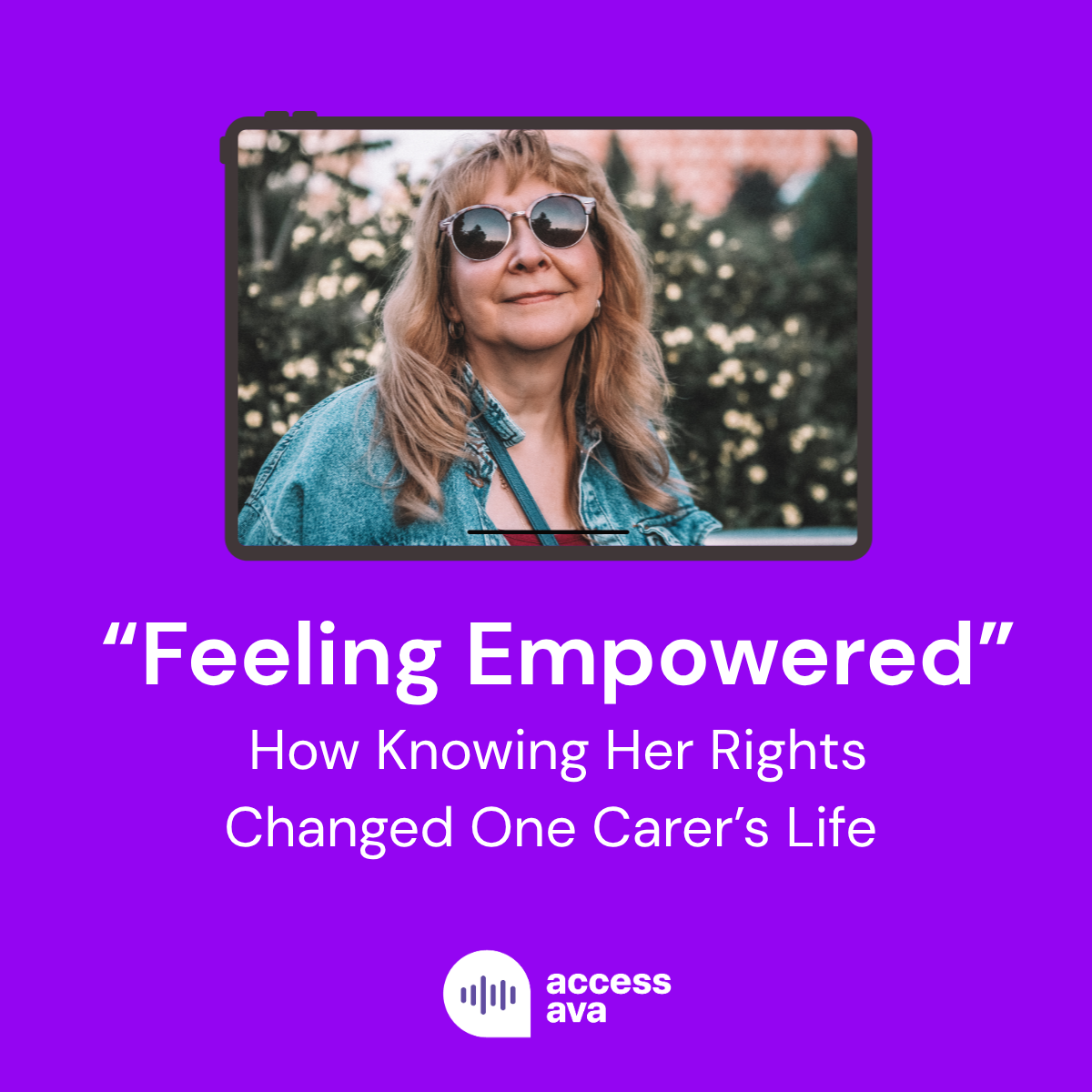
How Knowing Her Rights Changed One Carer’s Life
Caring for the people we love is something many of us do without hesitation. Yet its hard, relentless work. Sometimes, we just need some support to help us through. Yet, for many carers, navigating health and social care services to access support can feel like an uphill battle. When support is scarce the impact on a person's identity and well-being can be profound.
AccessAva Reaches 25,000 Conversations: Making Social Care Support Easier to Access
While the number itself is something to celebrate, this milestone represents something much bigger. Behind every conversation is a person looking for answers, reassurance, and guidance through the often complex world of social care.
Shaping the Future of Social Care: Why Digital Progress Must Start with Prevention
While the Casey Commission is tasked with designing a National Care Service, its long-term recommendations are not due until 2028. We simply cannot fix healthcare without also fixing social care and waiting until 2028 to address how the two systems work together is a major risk.
This policy gap is exactly why we built AccessAva.
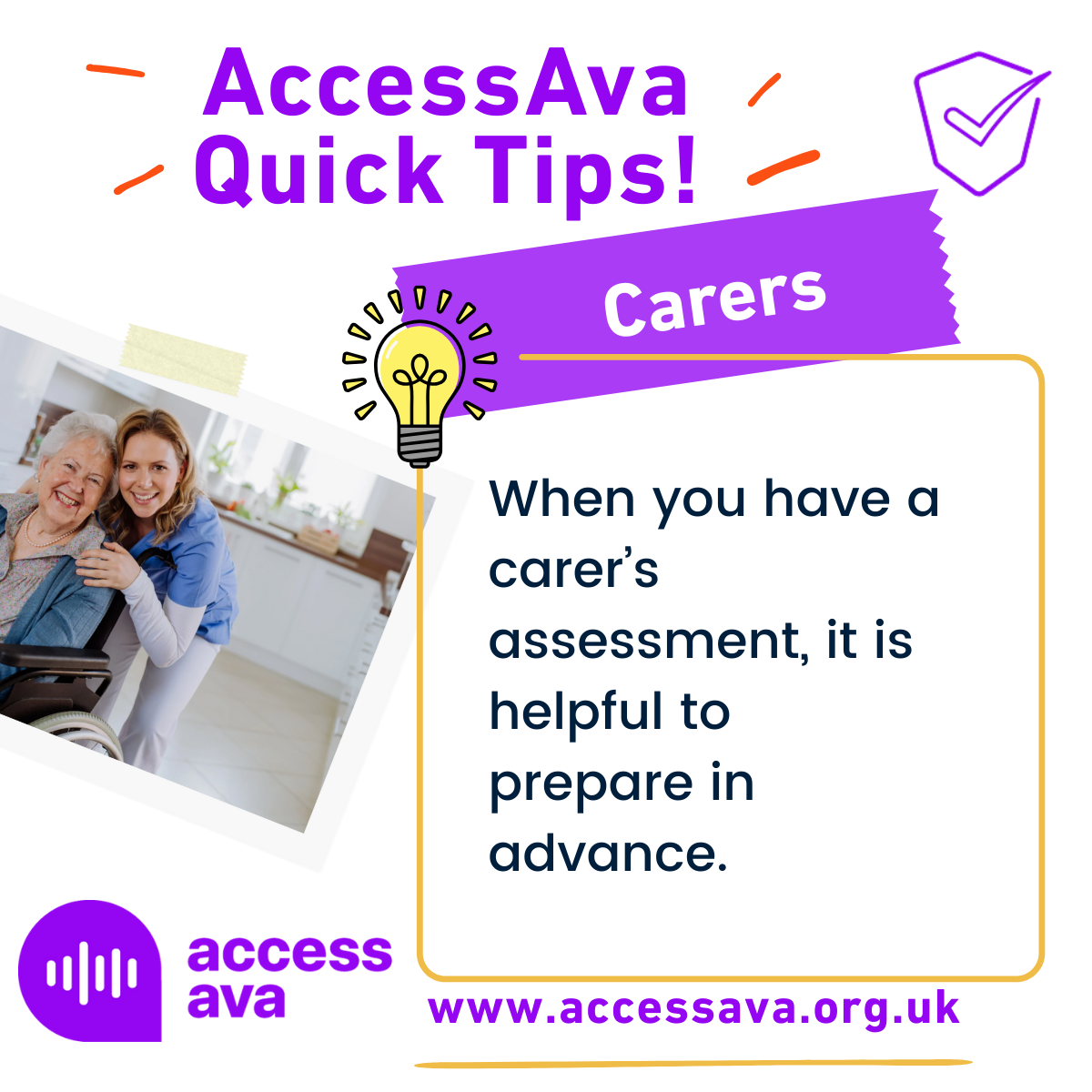
Preparing for a care assessment.
Preparing for a carer’s assessment can make a real difference. Being prepared can help ensure your voice is heard and your needs are understood.
Why Organisations Are Choosing AccessAva: More Than a Tool, a Partnership
We’re proud to work alongside a network of brilliant organisations who share our commitment to making social care information more accessible for everyone. Together, we’re helping more people understand their rights and get the support they need.

AccessAva reaches 20,000 conversations: a milestone in improving access to social care
Reaching 20,000 conversations is an important milestone, but it also highlights the scale of need. More people are turning to digital tools for immediate, reliable guidance—and expecting services to be accessible, responsive, and user-friendly.
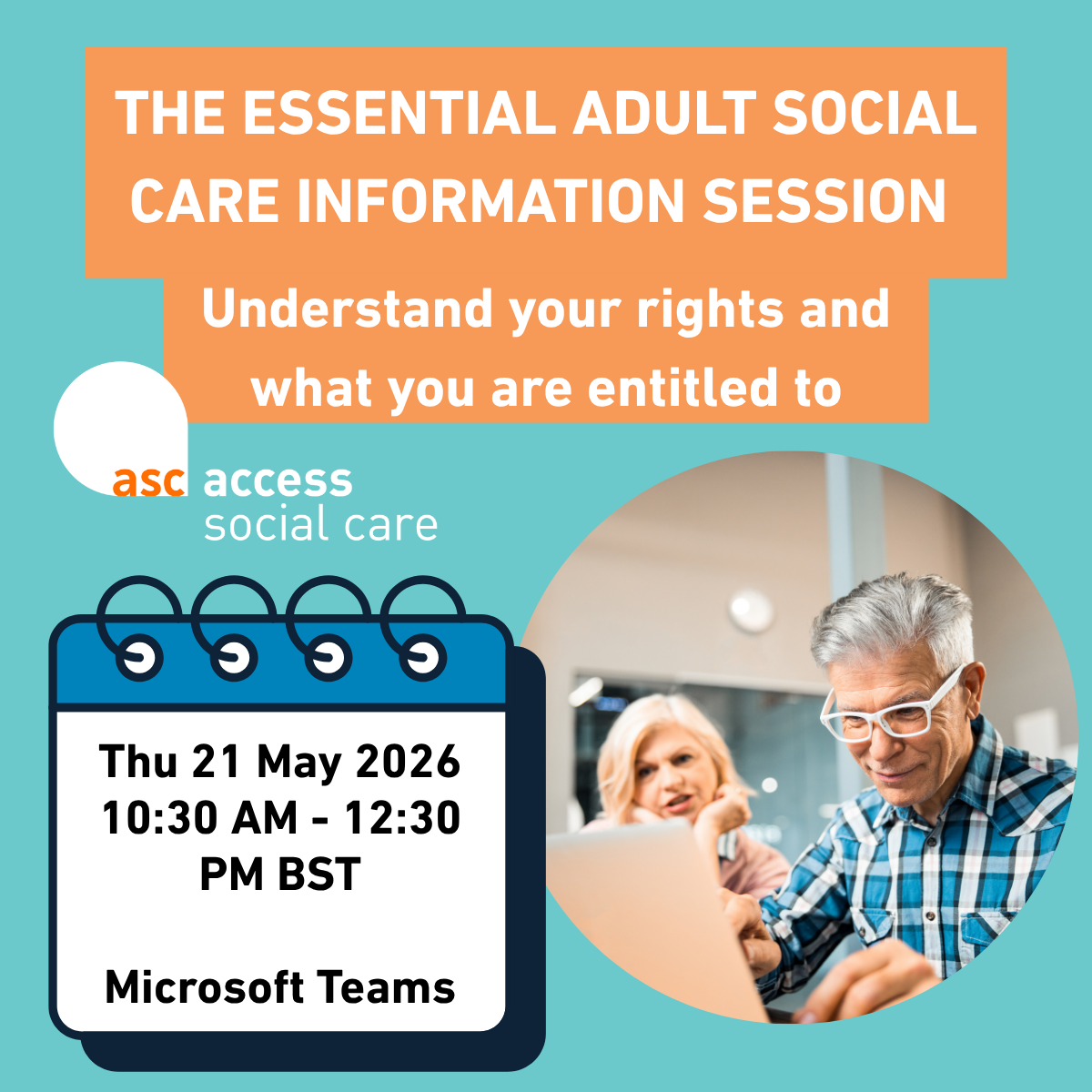
The essential adult social care information session: understand your rights and what you are entitled to
PAST EVENT
Join us for a practical information session designed to give you the essential knowledge you need to better understand and navigate the adult social care system.
This session is intended for individuals who draw on social care services, or who support a friend or family member who does. It is not suitable for professionals working in the sector.
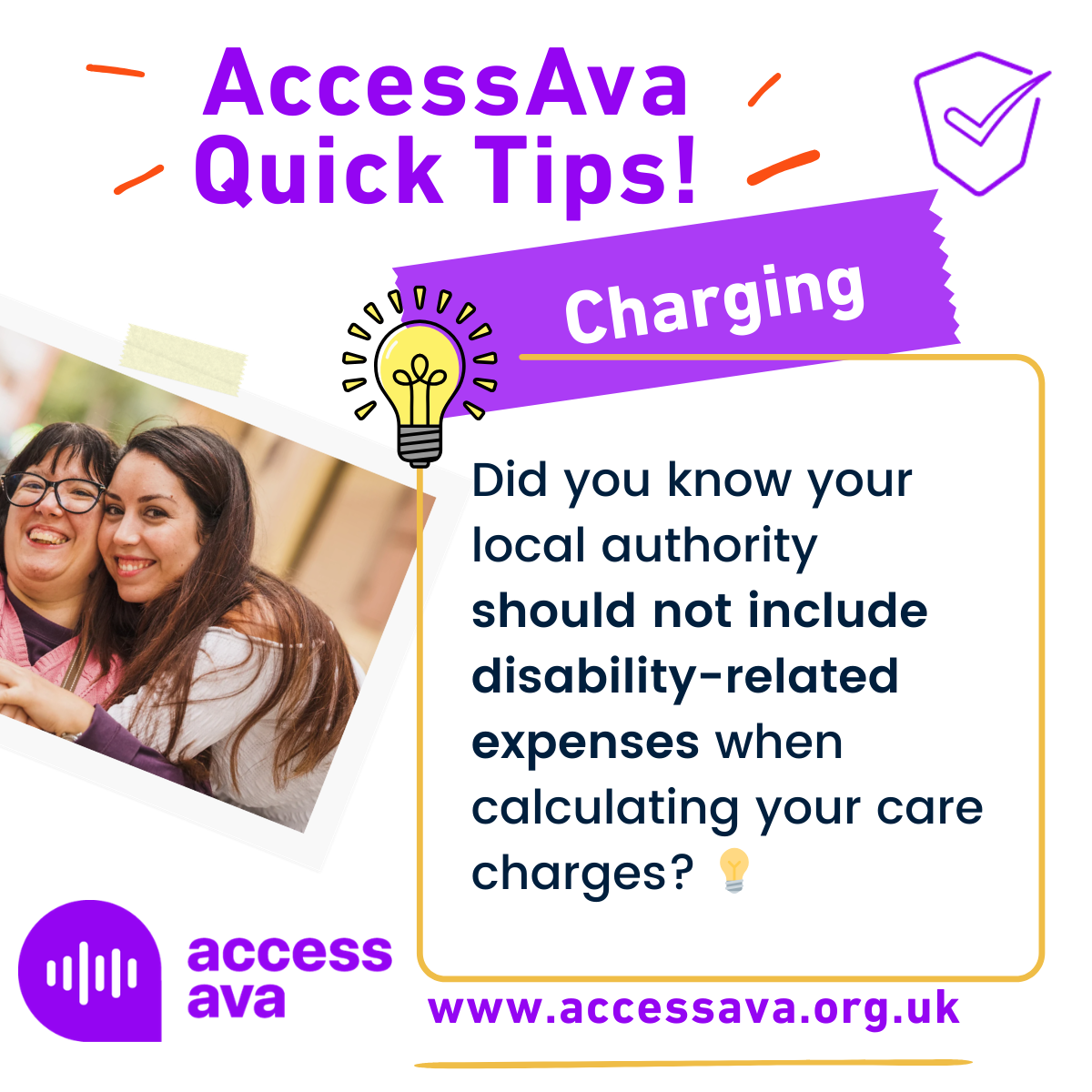
Charging Tips
Did you know your local authority should not include disability-related expenses when calculating your care charges?

Time to talk…
5 February is Time to Talk day, when people come together to talk around the country to talk openly about mental health. If you are affected by mental ill health, life can be challenging. Time to Talk day is a campaign run by our national mental health charities and is designed to encourage people to share their experiences and have open conversations about mental health. However, on this Time to Talk day, we wanted to highlight the importance of social care to people with a mental health condition, and to let you know a bit more about your rights.
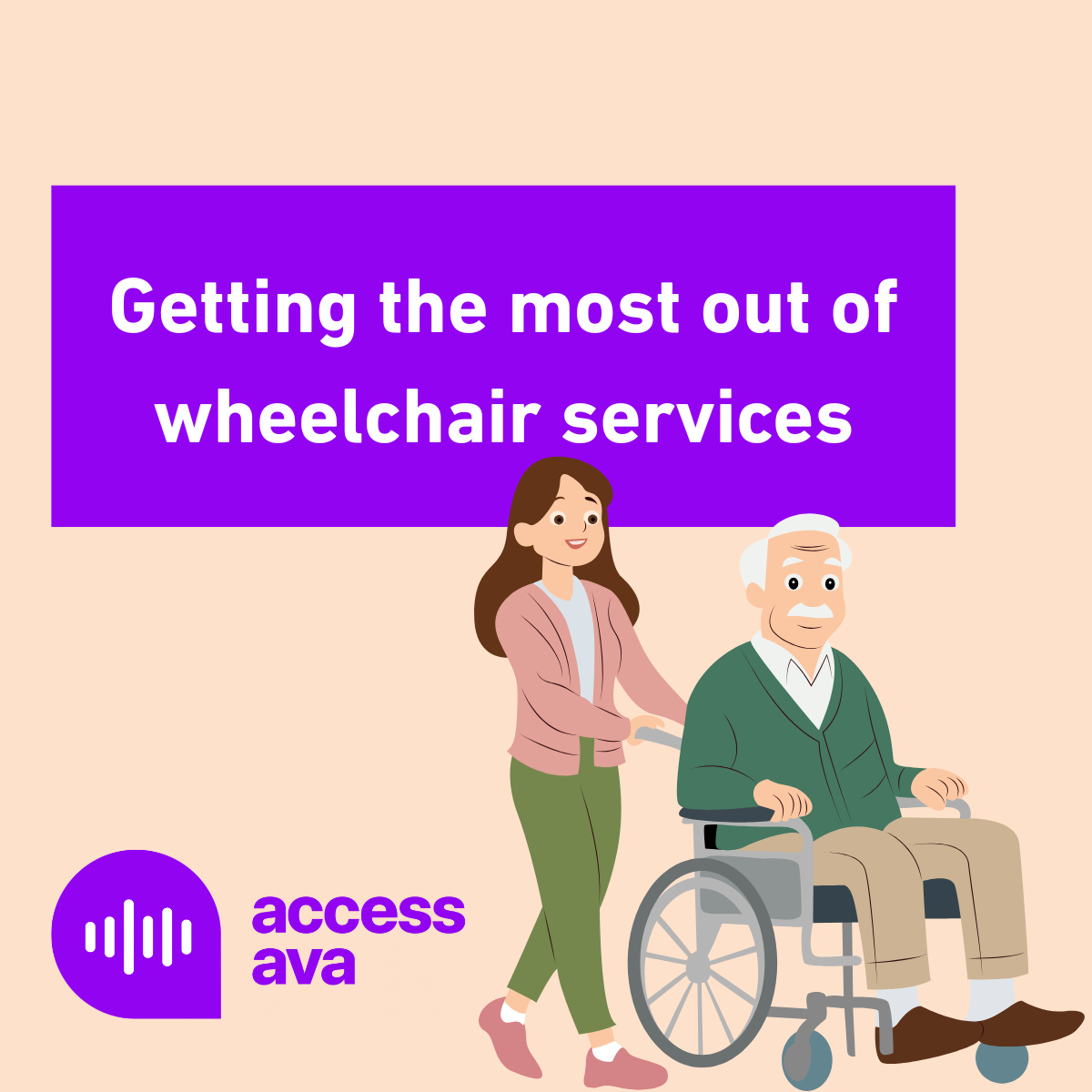
Getting the most out of wheelchair services
When we asked a group of service managers who worked for a large care provider what the biggest problems for the people who use their services were, a major theme that was discussed was getting the right wheelchair and the delays people can experience getting a wheelchair. We wanted to make sure that AccessAva could help people whose lives are affected by not having the wheelchair they need, and we set out to investigate this issue.
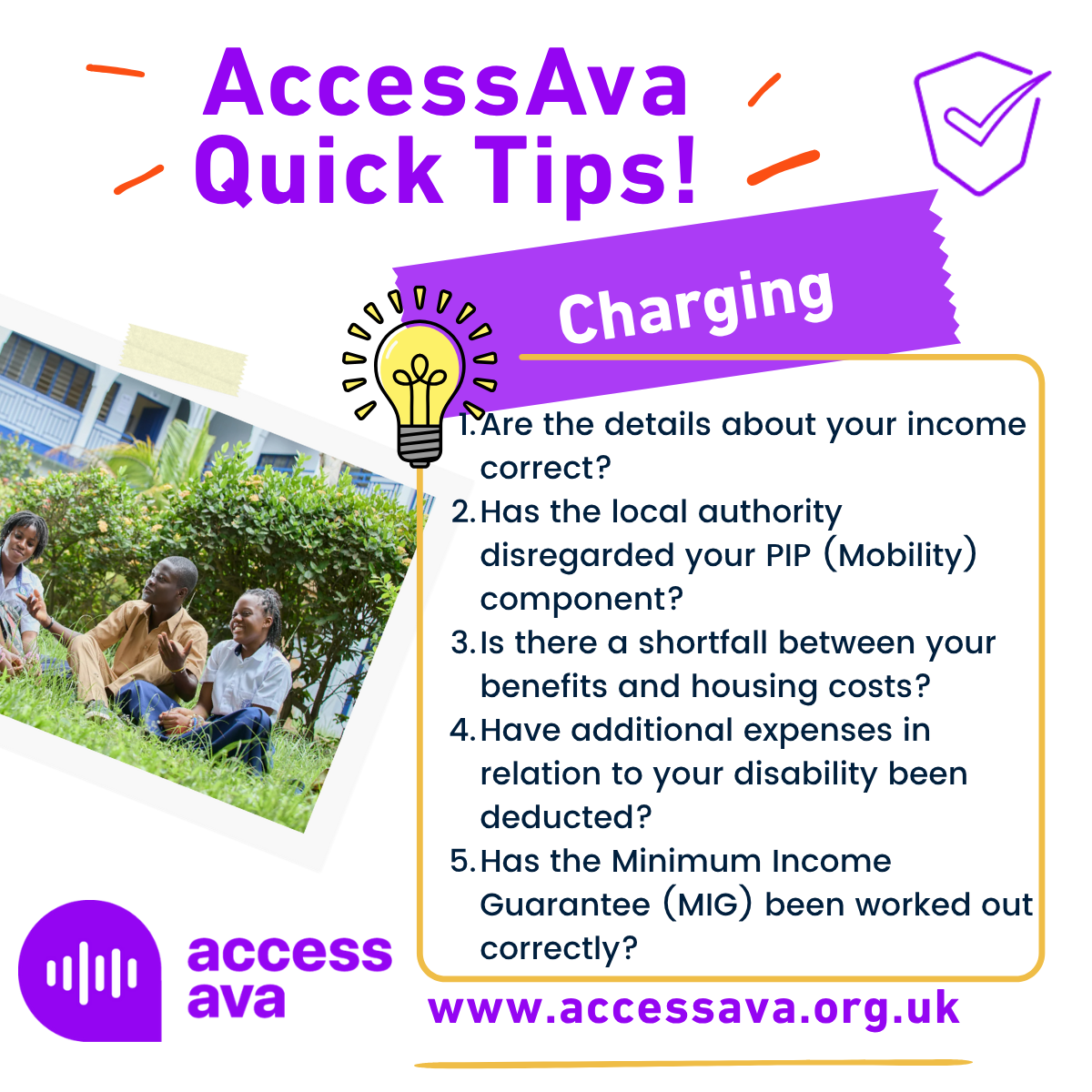
Are You Being Charged Too Much for Your Care? Here’s What to Check
Navigating the adult social care charging system can feel confusing—and sometimes, people end up paying more than they should. If you’re worried that your care charges don’t seem right, you’re not alone. The good news is that there are clear steps you can take to understand your assessment and challenge any mistakes.
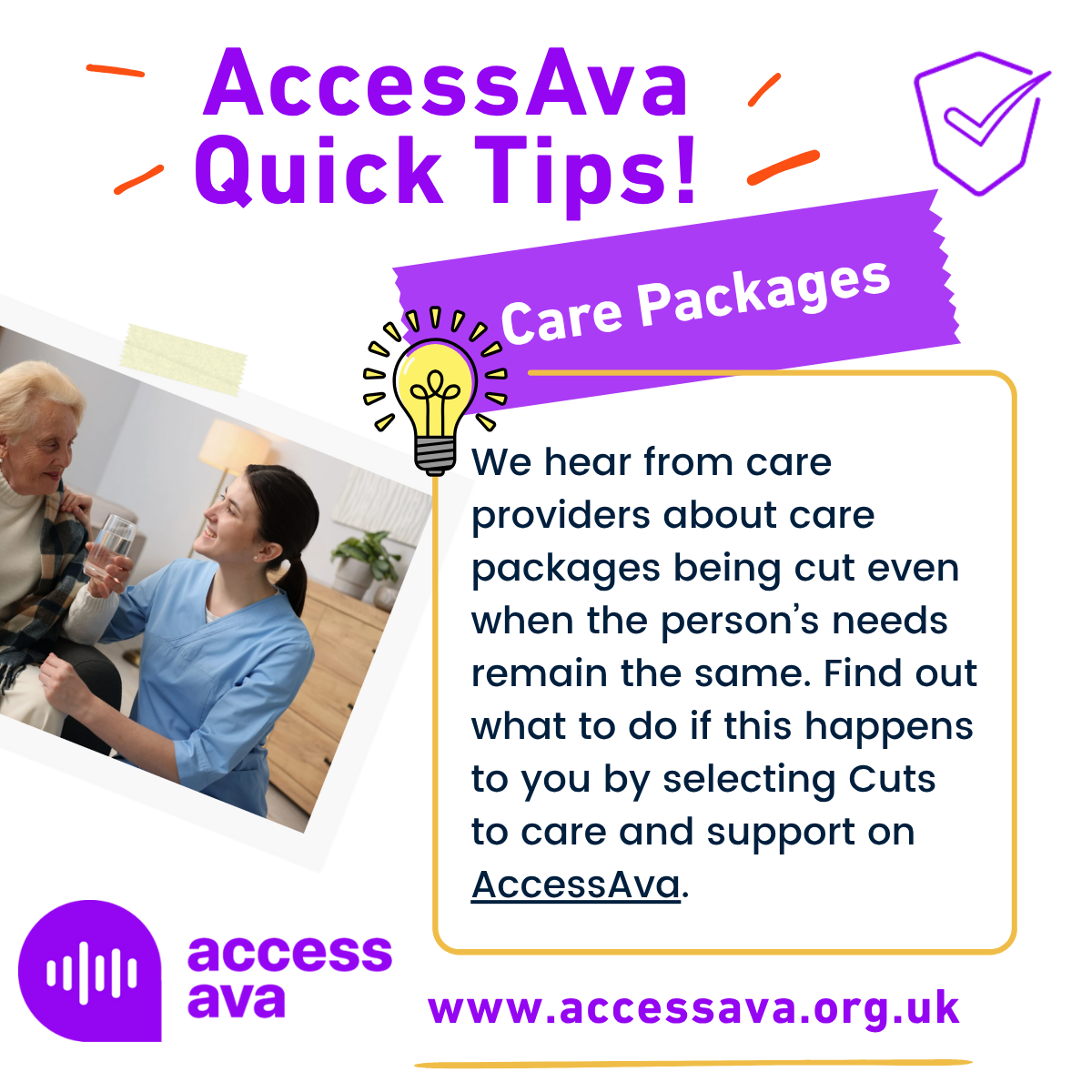
Care Packages Should Meet Your Needs — Not Be Cut Without Reason
At AccessAva, we believe that care packages should reflect your actual needs, not be reduced arbitrarily. Unfortunately, we often hear from care providers and families about situations where care packages are cut even when a person’s needs haven’t changed.
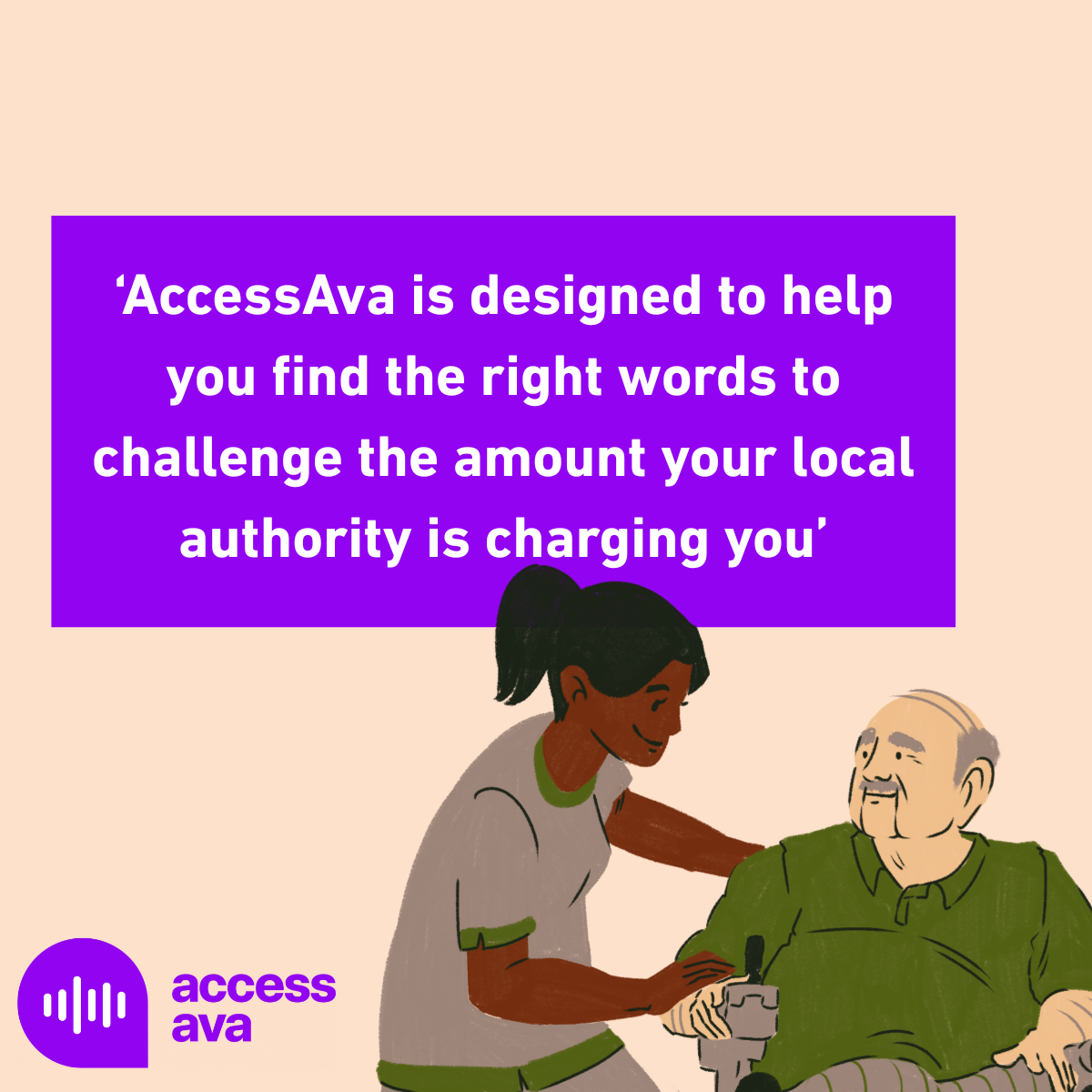
Social Care Charges
Social care charges
The cost of living is an enormous problem for many people in the UK. The Trussell Trust write that one in six households went hungry last year. The cost of basic foodstuffs is rising and more and more people are in debt to energy companies.

🗣️ Why Independent Advocacy Matters in Social Care
In some situations, local authorities must arrange independent advocacy to support you: ✔️ During assessments ✔️ When preparing a care & support plan ✔️ In reviews of your plan ✔️ In safeguarding enquiries

Caring for an older relative
The challenges of taking on a caring role
When we talk to family members who are supporting older relatives, we hear about the impact of having to engage with the social care system for the first time. When an older person gets to a stage in life that they are unable to manage safely without support, this brings both practical, financial and emotional considerations.